
Despite the rising cost of living and ongoing crises, sales of premium brands in German supermarkets increased by about 6.5% from 2024 to 2025, with premium manufacturer brands up 3.6% and premium private labels up 11.2%, according to YouGov data.
One might expect the industry to be talking excitedly about premiumization in fresh produce, if we were not constantly hearing universal complaints that margins continue to decline. Honestly, this phenomenon surprises me.
A few days ago, in a café in Hamburg, I saw a line stretching almost to the door. This queue was not for coffee, but for smoothies priced at €10 (£8.64) each.
When I peered at the menu, the ingredients were ordinary enough: mango, coconut milk, spirulina, and protein powder. What stood out to me was the name, “Down the Ocean.”
Watching the growing line of people, I had to ask myself: would these same customers pay 10 euros for a big, beautiful mango? Almost certainly not. It wasn’t the smoothie they were buying. It was the feeling. They were not buying mango, but a better version of themselves. A person coming from a 7 a.m. workout class, who values their health and has their life together.
This is what the world’s most successful brands were built on. Nike does not sell running shoes, but the belief that you can do it and will, naturally, look good doing it. Coca-Cola does not sell a beverage; it sells a sense of belonging. These brands understood something fundamental: people don‘t buy ingredients, they shop for identity and feeling.
The fresh produce industry still communicates on a functional level, leaving emotional value untapped. It focuses on what is easy to quantify: origin, price, availability, certifications, and sustainability. All these parameters have merit, but nowadays they are baseline, not differentiation.
Brands provide desirability and trust. And, as a result, willingness to pay increases. Yet, fresh produce is still presented in a one-dimensional fashion. An orange is an orange, a mango is a mango. The potential is obvious, yet largely ignored. Avocados have become a lifestyle product, and blueberries, once seasonal, a year-round symbol of health, convenience, clean eating and snacking on the go.
At the same time, broader consumption patterns tell us something important. Obesity rates continue to rise and meat consumption has increased despite it being significantly more expensive than fresh produce. Price is not the issue here, but the prioritization of what people choose to eat and are willing to pay for. And those priorities are driven by perception.
Recently, I visited a supermarket where the fruit and vegetable section was redesigned to look like a Tuscan market. After this change, people browsed longer, and subsequently, sales increased. A simple idea, with immediate commercial impact.
In other words, the point of sale remains one of the most underestimated levers in the industry. A large share of purchasing decisions are still made in-store.
Packaging, merchandising, secondary placements, and brand blocks are not decorative elements; they are commercial tools that create orientation and turn products into brands.
Fresh produce is not underrated for a lack of quality, but because the industry does not invest enough in branding and creating emotional value. Without investment, value does not grow. Fruit has what other industries spend millions trying to create: nutritional value, vitality, color, and pleasure. And yet, on the shelf, much of this potential disappears into indistinguishable uniformity.
All this means to say that fresh produce does not have a price problem; it has a value problem. If price were the deciding factor, sales of meat and convenience food would not continue to grow during periods of high inflation. People don’t pay for the product itself, but for the meaning it holds in their lives.
The difference between a product and a brand is not created in the field or on farms, but in the way our produce is presented, framed, and consistently communicated. Brands must be built. And then, at the point of sale, they must be brought to life. Only those who stand out will be chosen.
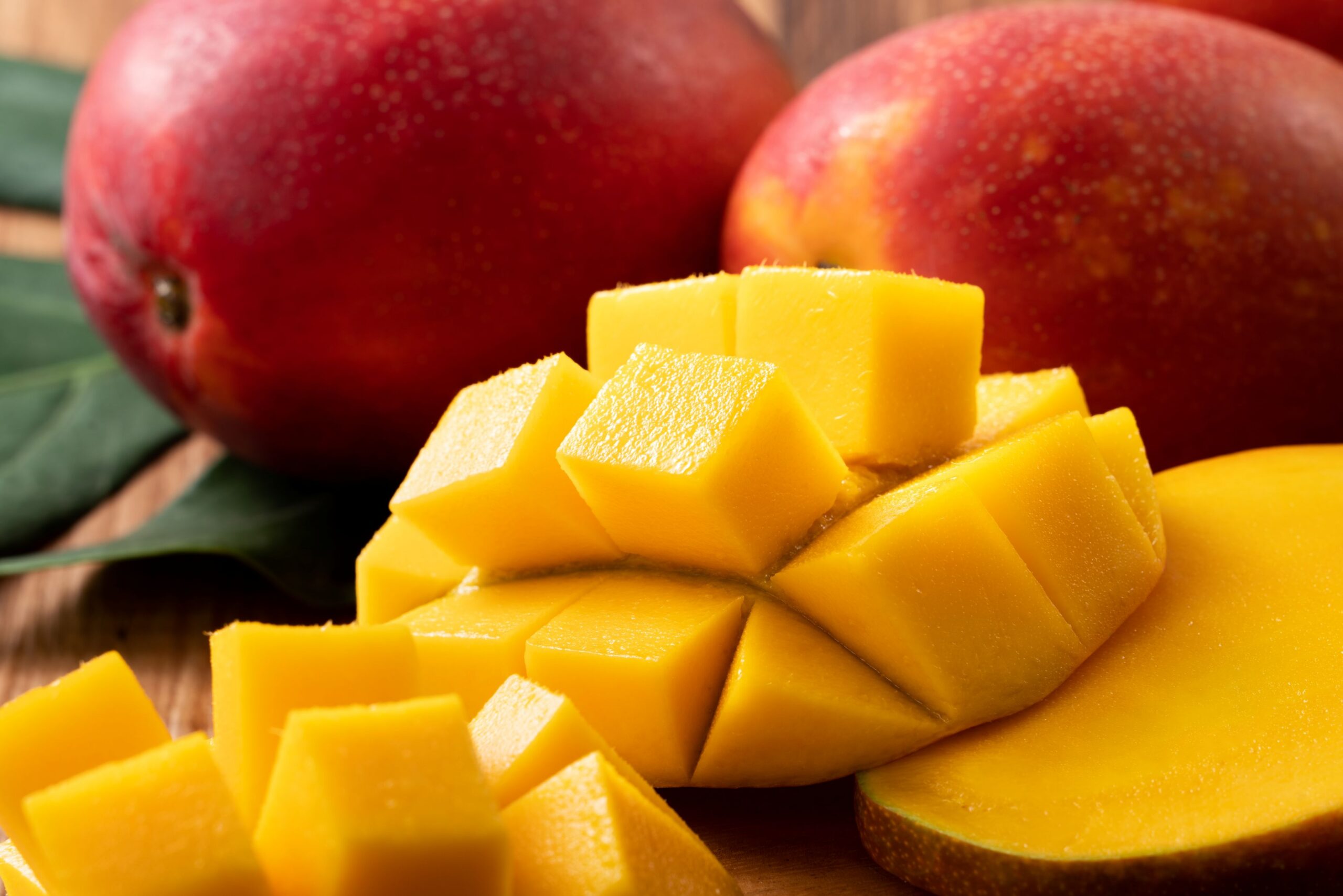
Which brings us back to our mango. On its own, it’s simply a fruit, but under the right conditions and with the right narrative, it can become everything consumers wish for. A tropical escape, a sign of productivity, a symbol of health.
A mango is never just a mango. It becomes whatever we allow it to be.
- Nuria Pizan is a fresh produce branding specialist with more than two decades of experience in premium fruit positioning, consumer insight and retail strategy.