
As I have written about in previous columns, I have the privilege of teaching produce marketing at Cal Poly SLO in California. I spend 10 weeks with 40 Gen Z students, teaching them to understand how fresh produce is grown, marketed and sold.
The structure of the class is straightforward. Students are assigned a fruit, such as apples, grapes, blueberries or strawberries, and during our time together, they study everything from trade data and consumer research to production, post-harvest, retail merchandising, packaging and social media.
One key part of the class is that students are assigned one of the top U.S. growers of their fruit. Using the grower’s website and social media, they analyze the company’s history, key marketing messages, brands, brand structure and grower storytelling. At the end of the quarter, I ask them to do something simple but powerful: for the grower you studied, tell me what’s working about their marketing, branding, packaging and social messaging. More importantly, tell me what isn’t working and how you would recommend fixing it.
The students then have a follow-up assignment where they redesign their grower’s packaging communication based on what they would like to see. They also take several of the grower’s social media posts and improve them to appeal to Gen Z.
While the industry spends a lot of time talking about how to reach the next generation of consumers, my students show me, through their work, where the industry is missing the mark.
The Industry Is Not Meeting Gen Z Where They Are
One of the first issues students mention is relevance. Or, more specifically, fresh produce’s lack of relevance to the Gen Z consumer.
As student Alex shares, “Fresh produce is not meeting us where we are…which is always online, with information at our fingertips and exposed to new and different trends with every scroll.”
This comment reflects how Gen Z interacts with food today. Discovery doesn’t start in the supermarket. It starts online, through social media, storytelling content and constant exposure to ideas around health, wellness and lifestyle.
By the time Gen Z walks into a grocery store or finds a product or brand online, they are already informed, influenced and, in many cases, looking for it specifically. This raises the question: what happens when they get to the produce department?
A Packaging Message That Falls Short
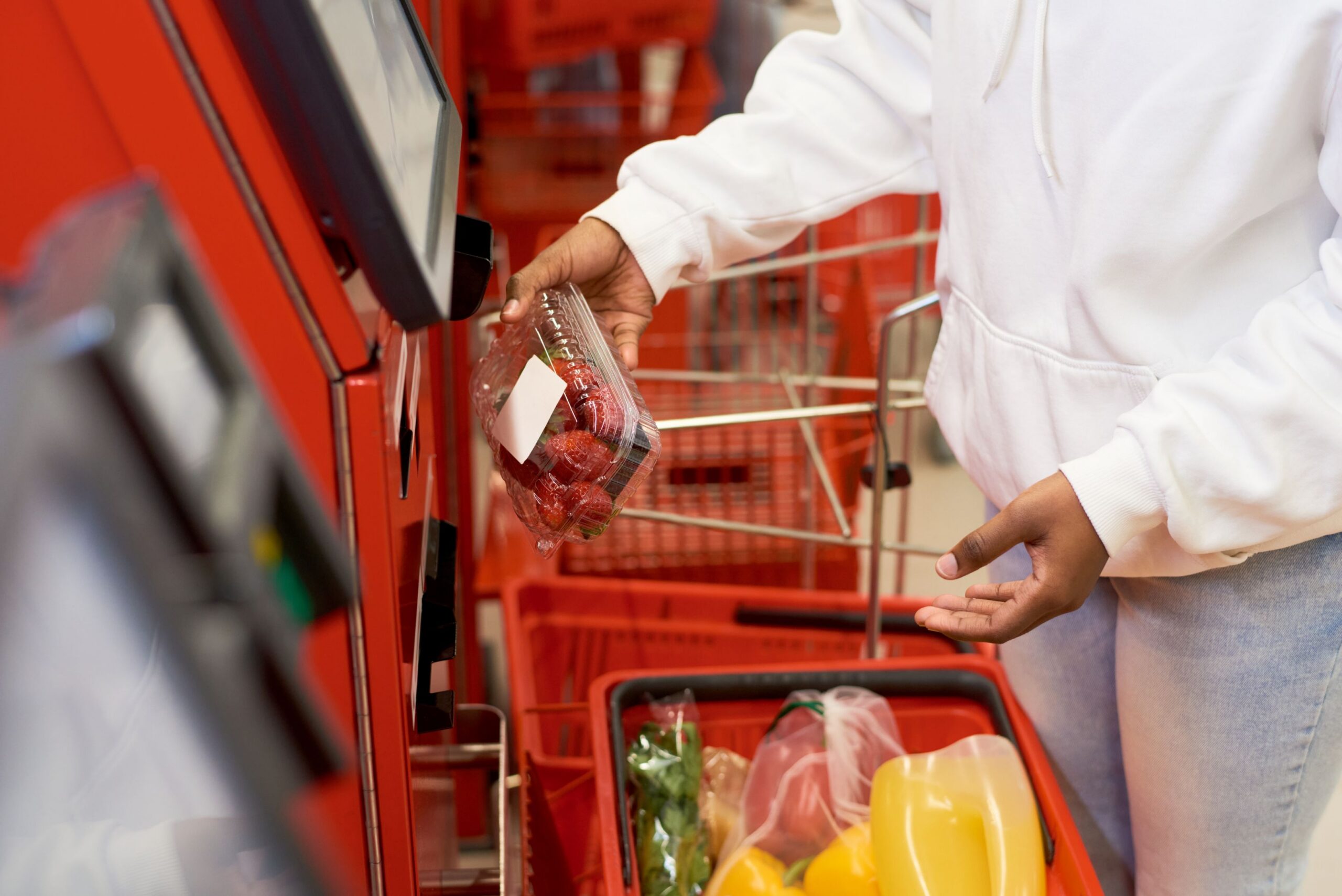
In class, we spend time reviewing their fruit and other fruits’ marketing and packaging. I ask students to evaluate what the packaging is communicating or what brand story the pack is trying to tell.
As Alex notes, “Produce packaging seems mostly focused on the grower name/brand and very little else. There is no nutrition information or any interesting storytelling.”
Student Kirsten reviewed a Rainier cherry bag. She had no idea what a Rainier cherry was or how it was different from a normal cherry. After I told her about Rainier cherries, with their unique color and short seasonal window, she simply asked, “Why aren’t growers telling us this on pack or in their social media? It seems like they could create FOMO (fear of missing out), given that they are special and only available for a short time.”
Student Kodi compares fresh produce to packaged foods and notes, “Packaged foods highlight protein, fiber, or functional benefits directly on the label…produce never communicates those same benefits.”
Their reactions point to a basic communication gap. They are not confused by produce. They are underwhelmed by how it is presented, branded, packaged and marketed.
Produce Isn’t Aligning with Gen Z Lifestyles
Gen Z has no shortage of interest in health. Students are highly focused on products that deliver protein, gut health, hydration, energy, skin health and better sleep. In most of my classes, I can ask students about their protein macros, and they can tell me their daily target and how many grams of protein they have already consumed.
And yet, when they look at fresh produce, they do not see its health benefits communicated in a way that aligns with their interests.
As Kodi notes, “Most Gen Z can tell you how many grams of protein are in a snack bar, but they don’t know the fiber content of an apple. The difference is simply in how the nutrition information is marketed.”
This comment led to a broader realization: it is not that fresh produce lacks relevance in the health and wellness conversation. It is that fresh produce is not proactively participating in it.
As Kodi says, “Gen Z spends billions of dollars on wellness drinks, protein bars, supplements, and functional snacks promising energy, glowing skin, better digestion, or improved focus, benefits that fruits and vegetables naturally provide. Yet somehow, the produce aisle and produce packaging struggle to capture our attention.”
The Produce Department Hasn’t Kept Up With Changing Consumer Needs
Another issue students raised is how little the produce department has evolved, at least from a Gen Z perspective. As Kirsten observes, “If you compared a produce department from 10 years ago to one today, they would look identical…even though consumer needs and interests have changed.”
In my experience, the produce department hasn’t evolved much in 20 years, while consumer demographics and purchase motives have changed significantly.
This is something I see consistently in my work with fresh produce companies. Packaging is often treated mainly as a logistics decision, when it can also be one of the most powerful marketing tools our industry has. It is one of the few places where brand, product and consumer come together at the point of purchase, yet in fresh produce, we often underutilize it.
Fresh produce is not CPG (consumer packaged goods). The product itself still needs to be seen, and freshness has to remain the first message. But center-aisle brands show how packaging and on-pack communication can adapt to changing consumer needs. If dietary trends show consumers want more protein, CPG companies can rework their formulations, update their packaging and call out protein grams on pack.
In fresh produce, we do not have that same flexibility, which means our marketing needs to be more intentional. We can’t just “add protein” to fresh blueberries, but berry companies can pair blueberries with different proteins and use social media or packaging to build that association.
Gen Z is highly influenced by what they see online. Food trends, health benefits and recipe ideas spread quickly through platforms like TikTok and Instagram. They often discover much of this information outside the store, rather than inside it. So if Gen Z is already discovering produce through social media, grocery stores should bring those same trends into the produce department through signage, recipe ideas and cross-merchandising.
How Produce Can Close the Gap
After 10 weeks of listening to my Gen Z students analyze our industry, the conclusion I keep coming back to is that we are expecting consumers, especially Gen Z consumers, to do too much work. We expect them to know the health benefits of our products, understand the differences between varieties, figure out if the product is ripe and how to use it, and connect fresh produce’s many benefits to their lifestyle.
And if they don’t do this work? We assume they’re not interested in fresh produce.
Based on what I see in the classroom and in my work with produce companies, if you want to connect with Gen Z, you need to start doing what every successful CPG brand already does: communicate clearly, consistently and with the Gen Z consumer in mind. This means:
Stop assuming consumers know about your product or variety and start telling them.
Bring in younger consumers and talk with them about your product. Have them tell you what interests them about nutrition, use or your multi-generation family farming story.
Use packaging as a marketing tool, not just a container to hold the product.
Show up where Gen Z actually is. If your company does not have Instagram or TikTok, you are missing opportunities. If your company does not have a Gen Z consumer running or advising you on your Instagram or TikTok, you are missing opportunities.
Connect produce to outcomes, not just attributes. “High in antioxidants” is information. “Supports skin health” is building relevance to their needs and lifestyle. Yes, there are vitamin and health claim rules for packaging, but these can be addressed by investing in a nutrition facts panel.
Remember: don’t assume a shopper knows. If your unique grape variety is special, shout it from the rooftops on your packaging and social media. Gen Z is looking for the story. Tell it.
Produce No Longer Sells Itself
I think one of the biggest myths in our industry is that “fresh produce sells itself.” Maybe it used to, but it doesn’t anymore. Gen Z wants to eat healthier. They want real food. They want what fresh produce offers. But wanting something and choosing something are not the same.
Right now, fresh produce is not always giving younger shoppers enough reasons to choose us over easy, convenient CPG products that clearly advertise their benefits. Until we communicate more clearly, we will continue to lose some of those occasions, not because our products aren’t good enough, but because our marketing and packaging are not doing enough work.
Special thanks to Cal Poly AGB students Kodi N., Alex E. and Kirsten D. for their contributions to this column.
- Lisa Cork is the chief executive of Fresh Produce Marketing Ltd and adjunct Professor of Produce Marketing at Cal Poly State University in California.