
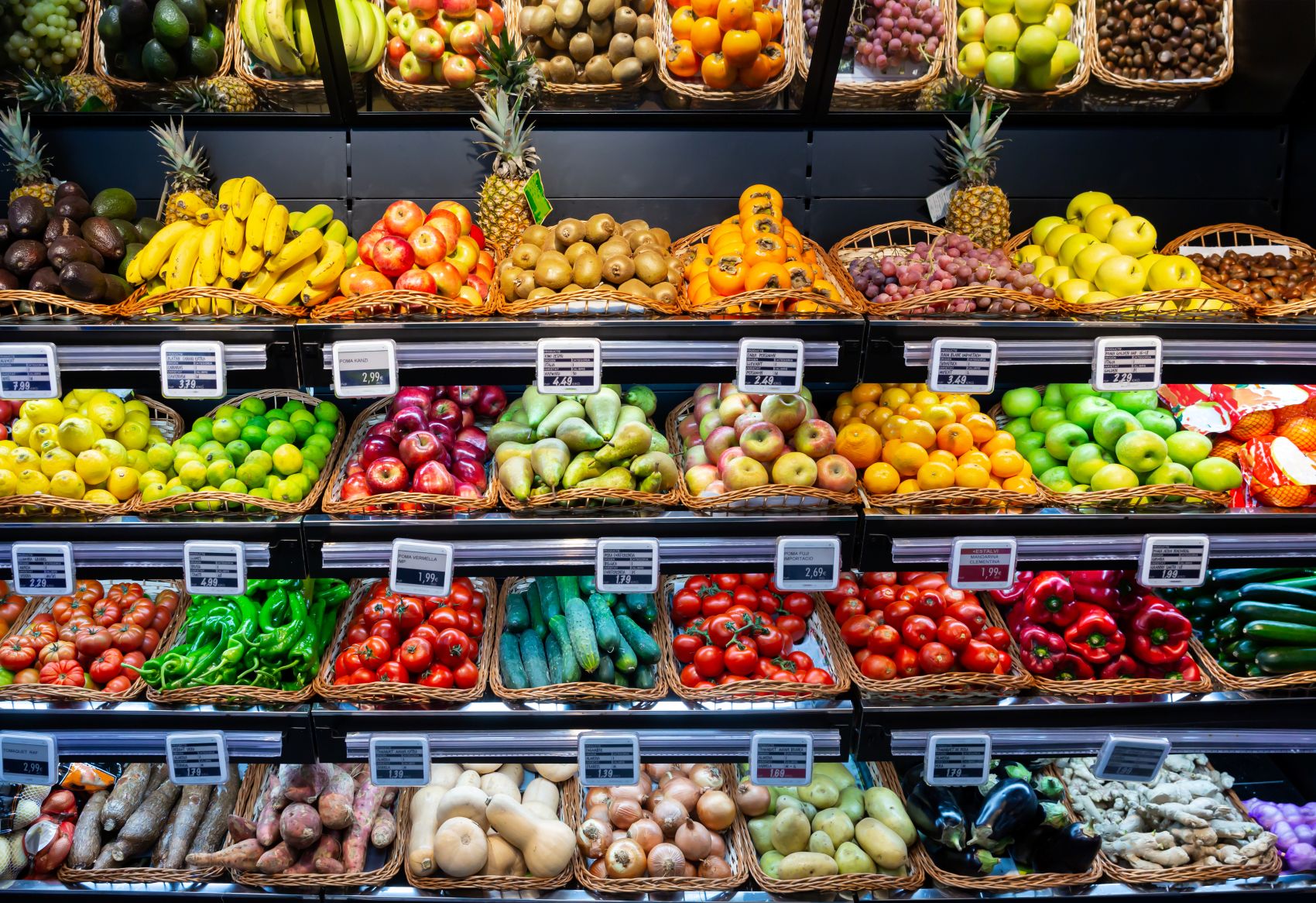
We find ourselves in a peculiar situation in today’s food system, a tug-of-war between the prices consumers want to pay for fresh produce and the compensation farmers and producers receive for their work and investment.
Picture the typical shopper walking into a grocery store, scanning the array of fruits and vegetables for the best deal. Meanwhile, somewhere in a field or greenhouse, a farmer works under the sun, hoping to receive a price that reflects the labor, risk, and investment required to grow it.
This pricing puzzle matters. It sits at the center of the food supply chain and raises important questions about sustainability and fairness. How can we ensure that the push for affordable produce does not come at the expense of the people who grow it?
I am known for being a grower advocate, or even a grower “super fan.” As tempting as it may be to join the chorus of voices that want to vilify retailers, I do not see the situation that simply.
It is worth stepping back to consider the broader set of relationships across the supply chain. Producers face many regulatory hurdles. Some are essential for ensuring food safety and protecting public health. Yet many of these regulations fail to address the economic realities farmers face. They are designed to protect consumers, but they can also create additional pressure for producers trying to make a living.
Market Power and Price Pressure
The wholesale and retail link in the chain introduces another dynamic. Thousands of producers are selling into a market where, in reality, only a small number of retailers control purchase orders. The imbalance between buyers and sellers is clear.
In grocery store aisles, the pressure to keep prices low is constant. Retailers compete aggressively for shoppers and their dollars. In that competition, the pricing of produce often becomes a battleground.
Growers often express their frustration directly. I have had growers say to me, “Don’t they care about my costs? I had to drop my price to match a competitor. It’s not fair.” Their frustration is understandable. If they are fortunate, retailers may at least offer them the chance to match a lower price and retain the purchase order. If not, the business may disappear altogether.
This always reminds me of my time working for an export company in California, where I both bought and sold citrus to markets in Japan and Southeast Asia.
A grower would call and say they needed movement. I would explain that the market was weak and customers were not buying. If the published price by the category leader was, say, $15, the grower might respond, “I’ll take $14. I really need to move some product. It’s perishable after all.”
Soon after, another grower might call and offer fruit at $13 to generate sales. The pattern was predictable. Then, if a sale happened at those lower prices, the same grower might later say, “Dawn, you’re killing me at these prices. How can you do that?”
My answer was always the same. I answered the phone, but I did not set the market. And I certainly did not demand that anyone lower their price.
That is the reality of fresh produce markets. Product is perishable, supply conditions shift quickly, and price pressure can appear almost overnight.
The retail landscape adds its own pressures. Supermarkets compete fiercely for consumer attention and spending. At the same time, many retailers rely on the produce department to generate margins that are difficult to achieve in center-store categories.
Today’s retailers also have access to detailed scan data that shows whether price reductions actually increase the velocity of sales. In many cases, they do not. From the retailer’s perspective, lowering prices may simply reduce margins without delivering additional volume.
The Consumer’s Role
What I do believe is that everyday consumer choices carry more weight than many people realize. Those choices ripple outward throughout the supply chain and affect the livelihoods of farmers and producers who devote their lives to growing our food.
Consumers understandably want fresh produce that is affordable. At the same time, few people intentionally want to harm the producers behind that food. The challenge is balancing those priorities.
Part of the solution begins with awareness. Consumers are increasingly interested in understanding where their food comes from and who grows it. The produce industry has an opportunity to tell those stories more effectively and help shoppers appreciate the value behind what they buy.
There is room for a bit of humor in this conversation as well. After all, who does not appreciate the occasional produce pun about “lettuce” helping farmers thrive?
Still, the issue itself is serious. Every purchase we make supports a broader system. Ideally, that system should deliver fresh produce that remains accessible for consumers while also providing fair returns for the farmers who grow it. Every bite we take can play a small role in helping maintain that balance.
• Dawn Gray has over 36 years of international fresh produce experience working with growers, distributors, marketers and retailers in more than 25 countries.