
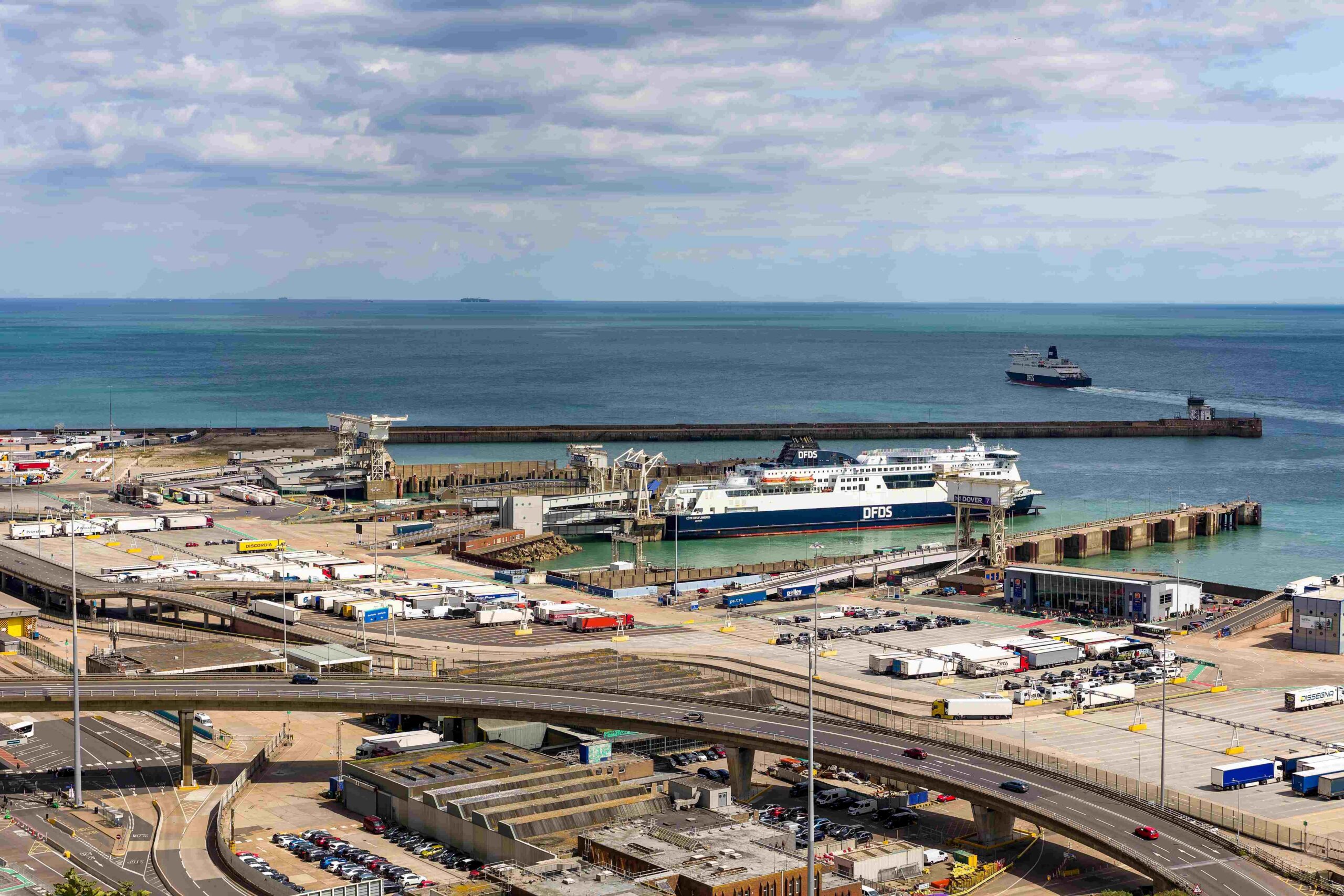
It was an outcome that Remain voters had hoped would not happen. In the 2016 referendum, the Leave campaign won by a margin of four percentage points, 52% to 48%, setting the UK on course to leave the European Union.
The UK formally left in January 2020, with the transition period ending that December. With the EU accounting for more than half of the 30% to 40% of fresh produce imported by the UK, the industry rallied to find solutions to keep trade flowing at a reasonable cost.
Led by its representatives at the Fresh Produce Consortium, it negotiated an exemption from controls that Brexit would have imposed, saving the industry approximately £350 million (€405 million) per year.
However, the road out of the EU has been an uneven one for many businesses, prompting the UK government’s decision to seek a ‘reset’ in EU relations. This includes an upcoming sanitary and phytosanitary (SPS) agreement.
Although on the surface this appears to be a step forward for fresh produce, it is hugely divisive.
The discord stems from the announcement by the Department for Environment, Food and Rural Affairs (Defra) that while most routine checks will be removed between the EU and UK, it’s anticipated there will be an increase in checks for imports from the rest of the world to align with EU rules and regulations from mid-2027.
The Fresh Produce Consortium (FPC), which represents the UK fruit and vegetable industry, predicts this could add up to £300 million a year in costs, including infrastructure and inspectors, which the industry would have to pay for.
“With this proposed alignment, there will be winners and losers, and our concern is that the fresh fruit and vegetable sector will very much be the loser,” says Nigel Jenney, the FPC’s chief executive.
A Wider Window Into Global Markets
One of the claims from the Leave campaign was that Brexit would enable better access to global trade. While this is still contentious across the UK’s wider business community, the fresh produce industry is one that has taken advantage of its non-EU status to increase imports from the rest of the world with fewer restrictions.
According to a 2025 Trade Snapshot report by the UK’s Food and Drink Federation, volumes of fruit imports increased by 7.8% between 2024 and 2025. In the same period, the UK increased fruit imports from Indonesia by 26%.
Non-EU imports have not replaced EU deliveries, but due to the complexities of Brexit, they have supplemented trade and helped to underpin availability, which has inevitably reshaped the way the industry operates.
At London’s New Covent Garden Market, which is a hub for supplying London’s foodservice sector, availability is critical for its wholesalers and traders.
“One of the most notable responses [to Brexit] has been a gradual diversification of sourcing,” explains Tommy Leighton, Covent Garden Market Authority’s communications and marketing consultant.
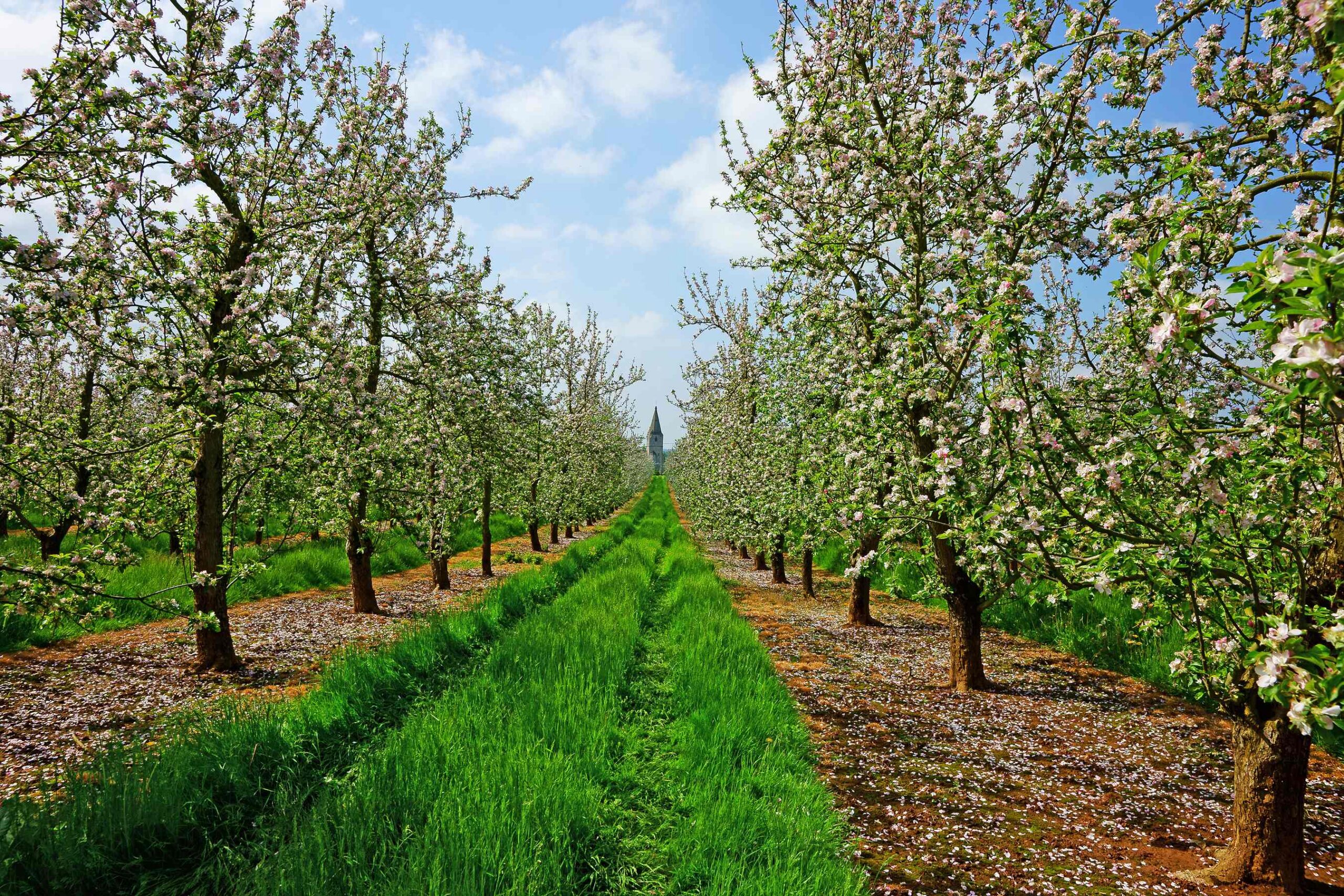
“Although Europe remains the key trading partner, UK wholesalers are increasingly exploring alternative origins, including North Africa and South America, to maintain continuity of supply and manage risk.
“This shift does not signify a wholesale replacement of European suppliers, but rather a strategic broadening of sourcing to increase resilience. At the same time, traders are continually adjusting sourcing decisions in response to post-Brexit trade conditions and wider supply chain pressures.”
Diversification in sourcing is also evident at Birmingham’s Wholesale Market, where boxes of Belgian strawberries are piled high opposite pomegranates from Turkey.
At George Perry wholesalers, its sales manager, Tom Burton, says that logistical and administrative support from Dutch suppliers helped the business to trade its way through the initial Brexit disruption to a place where costs are not as steep as first envisioned.
“The first six months after the vote were filled with confusion and uncertainty,” he recalls.
“We were scrambling for information; no one could tell us what would happen — would we need to hire brokers to take on paperwork? What would this mean for delivery times and costs?
“Thanks to the Dutch exporters, who have pretty much nailed the situation, we are now still able to order on a Monday morning, and [have] the produce arrive that night with the costs negligible — we’re talking 13p (€0.15) extra on a box of cucumbers, for example.”
Burton explained that all necessary paperwork is handled on the EU side, and while there are instances of inspections on UK borders, these are few and far between enough not to cause major delays for perishable goods whose value is connected to their freshness.
What has changed is that the business is now able to take more Class II produce, such as lemons from trees with citrus black spot disease that pose no issues for consumption, but that exporters would find challenging to ship into the EU, which has citrus groves to protect.
According to the FPC, the new SPS agreement could restrict that flexibility without delivering any clear benefit for the industry.
A Global Relations Reset
“In the new reset agreement, EU-UK customs processes will not get any easier than they are now,” says Jenney.
“However, there will be major consequences to trading with the rest of the world that the UK government is choosing to simply ignore. It will put up barriers to importing produce from non-EU countries, applying unnecessary standards to produce that will never get exported into the EU.
“Once the [UK Government] agrees to the reset, we will have no vote or no veto, and we do not think this is a fair situation. It will increase costs at a time when consumers are already struggling.”
An FPC analysis predicts that up to four million tonnes of imported goods could fall within the scope of expanded EU-style SPS controls.
Jenney says that an increase in checks would be a significant policy shift away from the UK’s existing science-based and risk-led border regime, which has operated successfully since Brexit and already delivers exceptionally high compliance outcomes.
Exporters will be required to supply formal phytosanitary certificates and meet the requirements of the EU Plant Health Regulation, even if the produce is destined solely for the UK market.
A Sweetpotato Perspective
This return to alignment could affect costs and delivery processes for non-EU importers. With the agreement still under negotiation, many exporters are yet to comment on what it could mean for trade.
However, there are industry figures who do not envisage any major issues.
The North Carolina Sweetpotato Commission is not unduly concerned with the changes, given that it also ships produce into Belgium and the Netherlands, where it needs to comply with EU SPS regulations.
Executive Director Michelle Grainger says British customers are important to the success of the association’s export strategy, with a significant investment in marketing and growing its share of their spend.
“The British market is a priority for us, because it was the first country we exported to, so it is a market where we worked hard to gain traction in,” she adds.
“I was at Fruit Logistica in February this year and I had numerous retailers, some of whom have headquarters in the UK, tell me that they have never seen the level of movement that they have seen in the last few years for our product.”
The Export Question
While the FPC has voiced its concerns over non-EU imports, the upcoming SPS alignment is a different picture for the UK’s fresh produce exporters. There is tentative talk that the reduction in paperwork will help to rebuild agri-food exports, which have declined since Brexit.
The business group Logistics UK, which represents members from road, rail, water and air industries, as well as retailers and manufacturers, has welcomed the UK government’s actions, echoing its claims that it could boost the economy by £5.1 billion annually in increased trade.
Chief Executive Ben Fletcher says the announcement will increase confidence over the removal of significant hurdles of cost and delays that have hamstrung the logistics industry’s ability to support the UK’s fresh food producers to sell to European customers.
“Our members have invested significant amounts of time and money to smooth the movement of fresh food across the UK’s borders, but trade friction has persisted as a result of the checks introduced after our country’s departure from the EU and so we welcome the negotiation of this agreement,” he says.
“Any border delays hinder our industry’s ability to keep the UK’s businesses trading with European customers.”
He adds that under the deal being negotiated, products moved from Great Britain into Northern Ireland would also no longer require additional certification, specialist labelling, or routine inspections.
This has been a particular sticking point given that Northern Ireland is part of the UK but shares a land border with the Republic of Ireland, an EU member state.
The UK’s National Farmers’ Union (NFU), which represents growers, has taken a cautious approach to the SPS announcement, urging the government to give members timely access to information that will help them to plan for the changes.
NFU President Tom Bradshaw recently told the House of Lords European Affairs Committee that, while farmers may benefit from the removal of border checks and paperwork for agri-food trade with the EU, negotiators must ensure that farmers do not face unfair disruption to their businesses as a result of realignment.
Keeping Trade Flowing
For such an essential industry, avoiding disruption and delays is the highest priority. Brexit introduced points of friction for fresh produce with the UK’s largest trading partner, which both sides have been steadily working through to reduce costs and keep demand satisfied.
While there are concerns about implications for non-EU imports, there are businesses that are hoping that more alignment will be a help rather than a hindrance.
Birmingham-based GP Salads is another wholesaler that has worked with its EU suppliers, especially in Belgium, to ensure products get through as efficiently as possible. It welcomes more alignment with the EU but is also cautious as to how this will help the business at a time when global events are having more of an impact.
“Salads are an incredibly price-sensitive product,” says sales manager James Fitchett.
“So, any event can have an impact on prices. We’ve been through Covid, ongoing wars, and now there’s inflation. These issues are having more of an impact right now than Brexit.”