
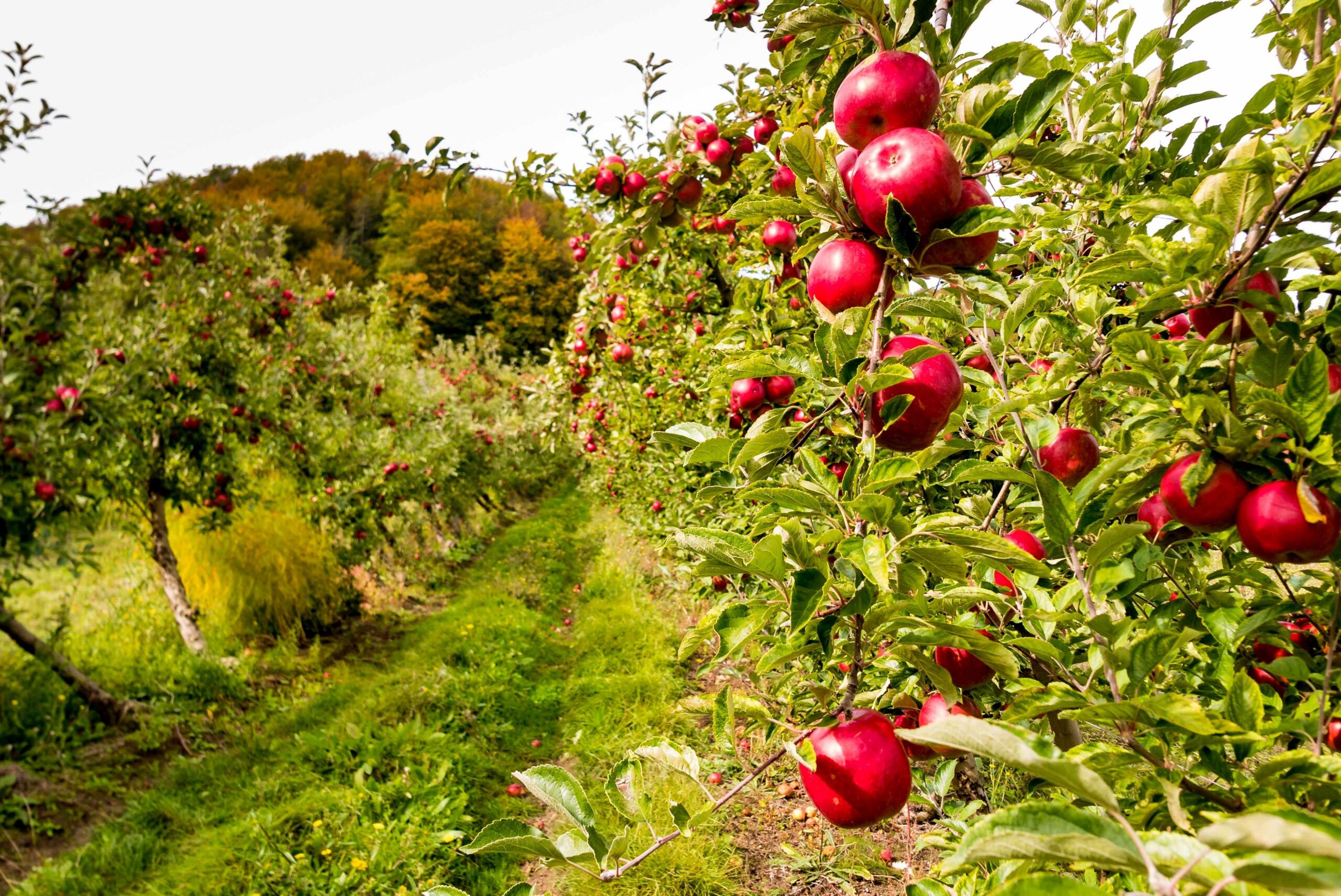
Europe’s apple industry has endured two difficult seasons. While 2025 marked a partial recovery from a drop in the overall EU harvest the year before, the near 11 million tonnes fell some way short of the continent’s “full potential” of 13 million tonnes, according to the Brussels-based World Apple and Pear Association (WAPA).
WAPA’s first Prognosfruit forecast for 2026-27 puts production across the EU’s top-producing countries at 9.5 million tons, down 15.6% from last season’s final figure and 14.3% below the average of the previous three years.
The outlook is similarly weak for major varieties. Golden Delicious is forecast to fall 11.1% to 1.81 million tons, Gala 8.9% to 1.36 million, Red Delicious 5.3% and Idared 19.7%.
WAPA attributes the decline to a “perfect storm” of weather, including deep frosts from February into late April, prolonged heat waves and drought. Lower crops are also expected elsewhere in the Northern Hemisphere, including the U.K., U.S. and India.
Uncertain Outlook
According to WAPA general secretary, Philippe Binard, apples are one of the EU’s largest fruit categories, with production typically ranging from 10 million to 12 million tons a year. Globally, the EU is the second-largest apple producer after China, and substantially ahead of Turkey and the Americas.
Poland is the EU’s largest apple producer, followed by Italy and France, with major varieties across the bloc including Golden Delicious, Gala and Jonagold types.
According to Binard, the majority of these volumes are sold within the countries they are grown, but close to 2 million tons are sold across the EU, and a further 1 million tons are exported to other markets.
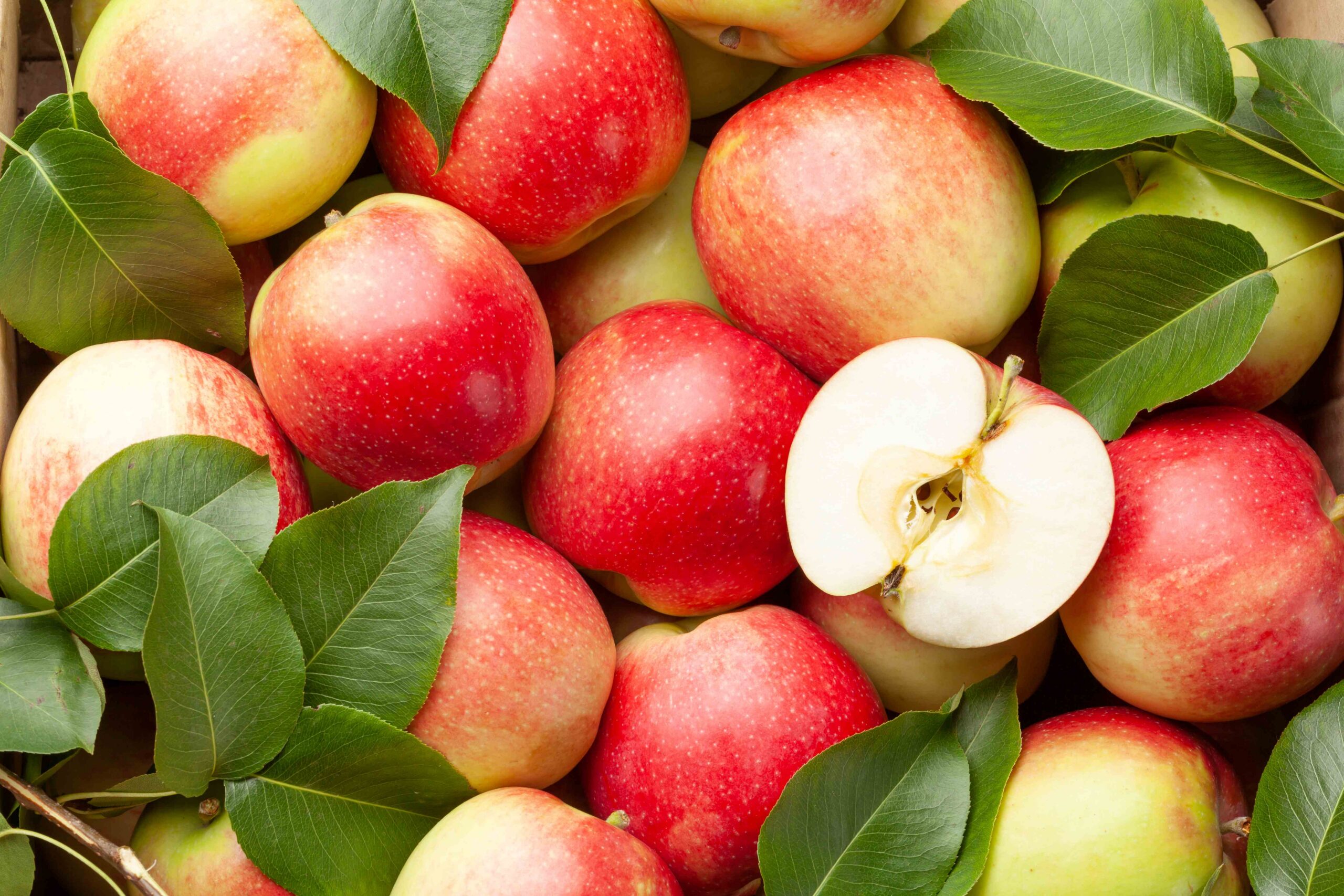
Market diversification became particularly important after Russia banned EU agricultural imports in 2014, removing what had been one of the sector’s largest export markets and forcing suppliers to find alternative destinations.
“I think the sector has been moving along satisfactorily in quite a complex situation,” he says.
Despite that progress, Binard says growers face a stagnant market as apples compete with a wider range of fruits and other snacks than they did a decade ago.
Binard thinks the weather could also have further surprises in store for late-season apples. “The weather conditions continue to impact the picture,” he says. “It’s been hot and very dry, and if this is going to continue, there will probably be irremediable damage to the leaves. There could also be some hail, as we have already seen in the Benelux region.”
On climate change, Binard says the central question is “how to mitigate and how to adapt.” With similar conditions likely to recur, he stresses that the industry needs to prepare for a more difficult growing environment.
Marc Peyres, commercial director at French fruit cooperative Blue Whale, also sees varietal renewal as a priority, arguing that some companies have been too risk-averse. Smaller fruit sizes and labor shortages remain additional challenges.
“If you look at last year, we had a higher-than-expected harvest not just in France, but in Western Europe,” he notes. “The market started quite well, but was under pressure because of small sizing and some pricing. There was a lack of movement internally in Europe between countries and markets.”
Peyres says higher-than-expected volumes across Western Europe put pressure on the market last season, although France benefited from a smaller crop and stronger export opportunities. “It was a variable situation depending on what you are producing, but it was a tough season, even if the result at the end wasn’t so bad for the French growers,” he says.
He also expects France to enter the new season in a comparatively strong position, with less carryover stock than countries that include Italy, Germany and Belgium, which are still with some stock of the remaining season.
In common with growers across much of Europe, the key Polish apple-producing region of Grójec has seen widespread frost damage in recent times, but Maciej Majewski, long-standing president of the Grójec Orchards Association, says the overall outlook is better than initially expected.
“Gala is our main export variety, and this variety is not so sensitive to frost, so we had Gala production last year and this year,” he says. “A lot of our producers were prepared for the weather — we have a lot of anti-frost and anti-hail systems.”
“When it comes to new varieties, we, as the Grójec Orchards Association, are currently focusing primarily on our own club variety, which has not yet made its market debut. It has very strong quality characteristics, with firmness above 12 and 15–16 Brix. Other club varieties currently being developed and marketed include Pola and Magic Star.”
Evolving Environment
Likewise, Walter Pardatscher, chief executive of the South Tyrol apple consortium, VOG, says growers in the region experienced a 2025-26 season in line with forecasts, supported by stable volumes and good quality. However, ahead of the new season, Pardatscher says the overall situation remains complex, with economic difficulties in some markets, and the resulting pressure on consumption.
“One of the main opportunities is to help boost fruit and vegetable consumption by making apples an increasingly attractive option,” he says. Pardatscher argues that closer planning with retailers will be essential to better showcase the category and support consumption.
To this end, he says VOG will continue investing in varietal innovation, focusing on reliable yields, consistent quality and storage life while maintaining grower profitability and sustainability.
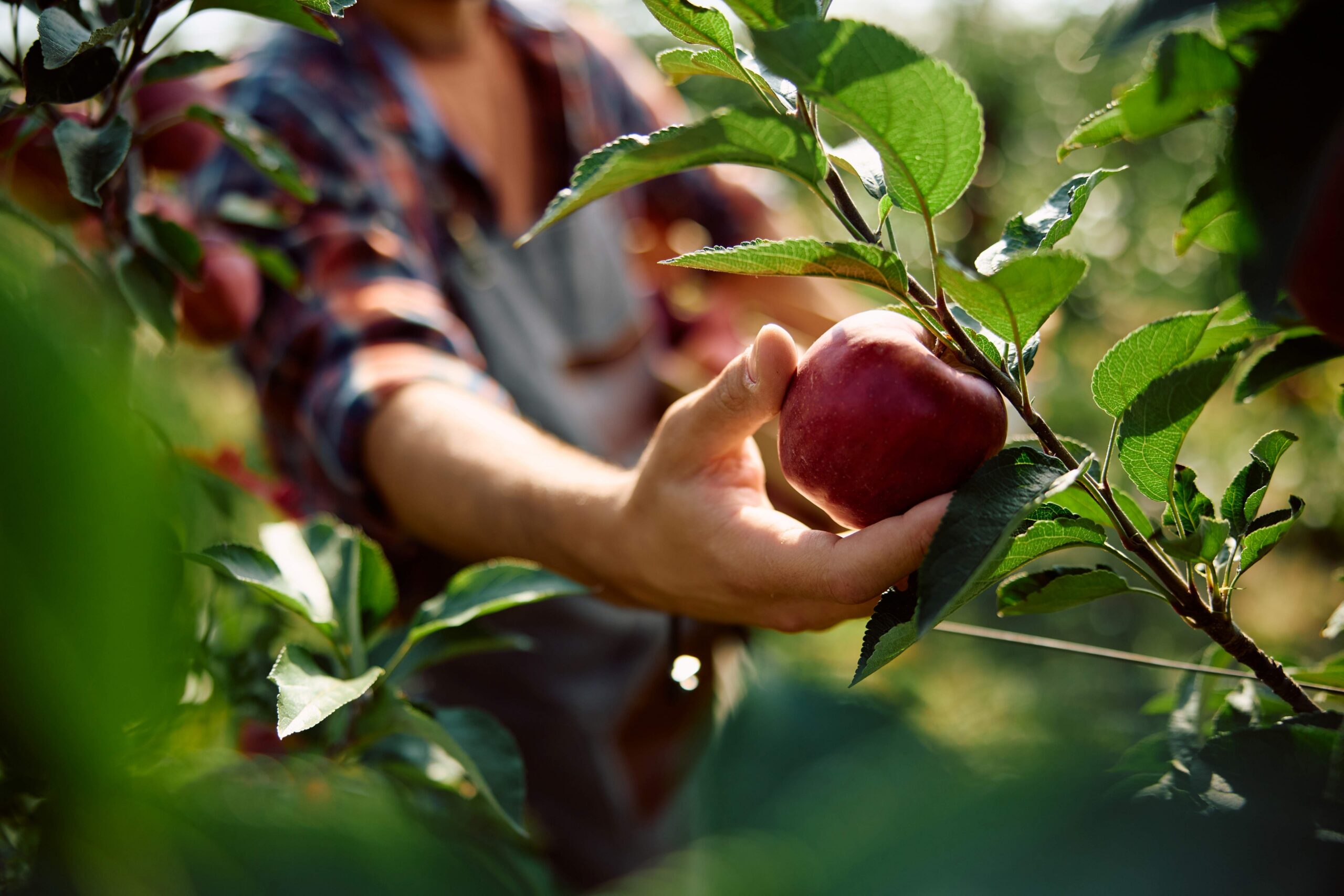
Another priority, he notes, is the need to address the impact of extreme weather events through increasingly effective tools that make orchard management “more sustainable and respectful” of the local environment. VOG is also investing in hail nets, anti-frost irrigation and drip irrigation to reduce growers’ exposure to increasingly extreme weather.
At the same time, he says the organization is working with its more than 4,000 apple-farmer families to promote generational succession and address the challenge of securing a workforce to ensure continuity and a promising future for the next generation of producers.
For Peyres at Blue Whale, a big challenge across Europe is the movement to “buy local,” which he describes as both a marketing tool and a mistake. Peyres argues that quality needs to be prioritized over origin if consumption is to be maintained. “We have to avoid that our fruit becomes nationalist, which is stupid,” he says. “Better consumption for our product is the most important thing.”
Export Opportunities
According to Pardatscher, the apple sector is undergoing a significant transformation, driven both by the introduction of new varieties and by changing consumer habits, with traditional varieties increasingly being joined during recent years by new offerings and brands tailored to meet diverse needs, tastes, and consumption occasions.
This is accompanied by evolving consumer habits, which highlight how apples are playing an ever more central role in consumers’ diets and becoming less tied to seasonality, he adds. “The demands for constant availability have increased the importance of varieties with a long storage life, which extends the commercial window while maintaining high quality standards,” he says.
Pardatscher thinks that future opportunities will depend on staying close to customers and responding to changing demand.
On the market front, although Italy remains key with steady demand, Pardatscher says VOG views Germany and Spain as strategic markets, alongside the Nordic countries and non-European markets, which continue to show structural growth.
In Poland, Majewski points to the EU-backed Bite Right campaign targeting Sweden and Finland, as well as the selection of Grójec apples with Protected Geographical Indication (PGI) for events held during Poland’s 2025 Presidency of the Council of the European Union.
“Our Grójec apples with Protected Geographical Indication (PGI) were everywhere, promoting Poland,” he says.
Majewski says nearby EU markets remain Poland’s most important destinations, while growers are also pursuing opportunities in the Middle East, Asia and Latin America. He has also recently visited Japan and Brazil as the association explores possible market access.
Despite this, he believes greater cooperation is required among Poland’s apple exporters if these opportunities are to be fully realised.
“Growers must understand that only cooperation and the highest quality can open all the doors to international markets,” says Majewski.
Binard at WAPA argues that domestic and nearby markets should remain the priority, while exports provide an important outlet and greater market diversity. He points to India, Southeast Asia and Latin America as areas with further potential.
“There are still growth opportunities for long-distance exports, provided we can master all the logistical uncertainty we have today, the rising cost, and the long journeys,” he says.
Urgent Priorities
So, given the challenging Prognosfruit forecast, where does Europe’s apple sector go next? For Peyres at Blue Whale, the first priority is reversing declining consumption by giving consumers apples they want to eat. “Over the past 10 years, we have had too many varieties which have not been at the level the consumer expects,” he says.
To overcome this, Peyres thinks varietal renewal is key, although he concedes it is a long process. Even so, he says the industry has achieved success by putting new varieties on supermarket shelves. He argues that retailers should be willing to reduce the number of SKUs and replace weaker varieties with better-performing alternatives. “A lot of retailers in Europe are not working on that because they don’t want to change — they are very conservative,” he continues.
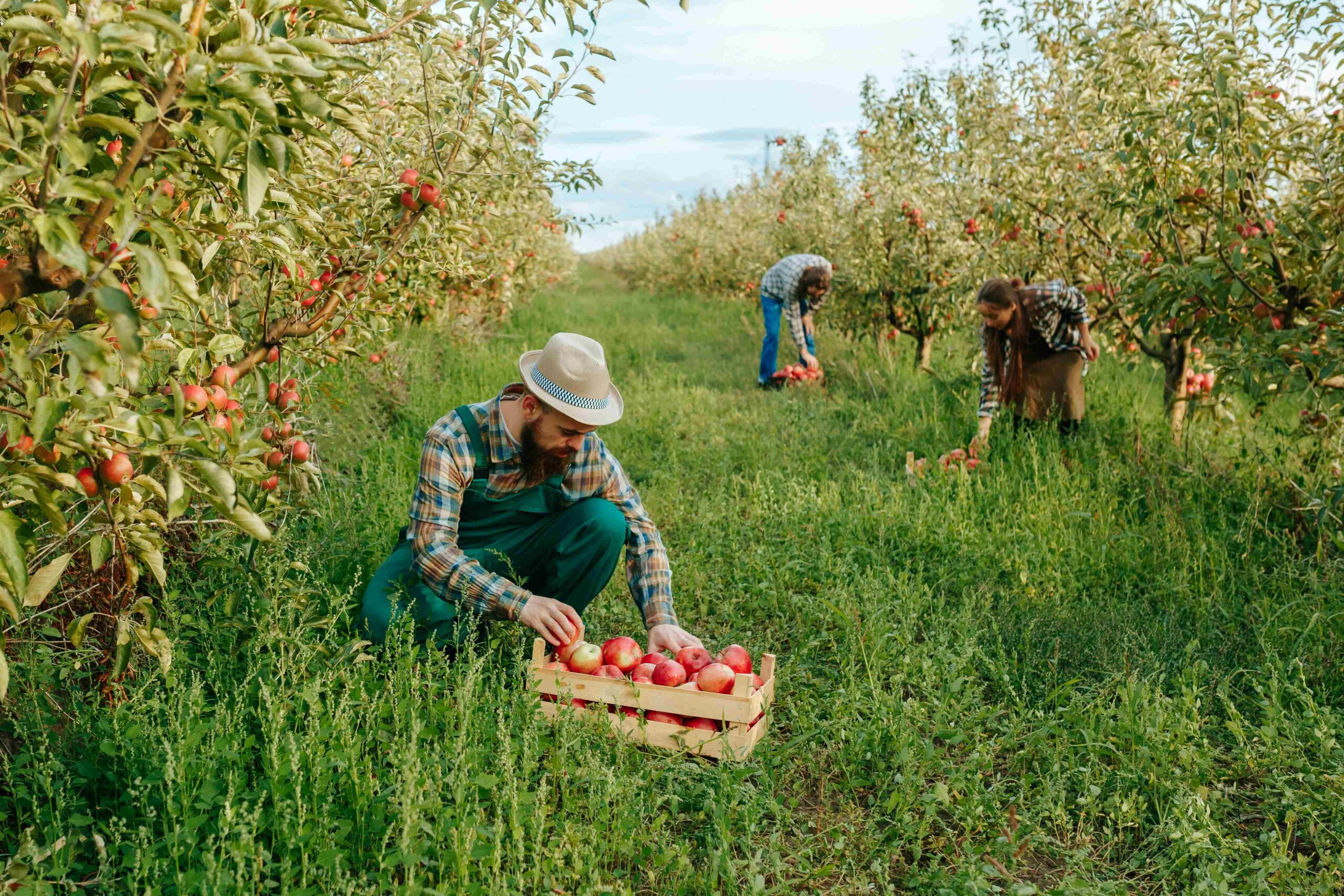
“If we are not able to replace the old varieties with new ones in the next 20 years, we will have a big problem with consumption because people will just take something else,” says Peyres. “If we want the consumer to keep consuming fresh fruit, we need to make sure the fruit is nice.”
Long term, he expects to see a phase of reduction in production, before varietal renovation takes centerstage. “You cannot just change everything in one night — when you plant trees for 20 years, it’s a lot of capital for a long time,” he adds. “You can make a mistake for 20 years or you can make a success for 20 years. It’s easy to know after, but not before.”
Pardatscher similarly argues for varieties that meet consumer expectations while maintaining quality, storage life and sustainable production, without making the category harder for shoppers to navigate.
“It will also become increasingly important to help consumers navigate a wide range of offerings through clear segmentation, distinctive brands, and consistent communication,” notes Pardatscher. “In this process, collaboration between apple growers and retailers will continue to be essential for building a sector that creates value for the entire category.”
However, Binard offers a note of caution: “As we see this summer, we have new challenges growing products with more complex conditions and more drought. There are new varieties already on the market which are more climate-friendly, but all these processes from the selection to the nursery to planting can take 15-20 years.”