
The voyage across the Atlantic had been brutal. Storms battered the ships, food spoiled, and disease spread in the cramped quarters below deck. But the promise of unimaginable wealth kept the Spanish conquistadors going. Somewhere in this New World, they believed, were mountains of gold and rivers of silver waiting to be claimed.
When they reached the Americas, majestic mountains painted the landscape. But they weren’t there to admire the scenery. They were there to dig. Every expedition hoped to uncover treasure. Every man dreamed of striking it rich. Then someone found something. Not gold. Not silver. Not jewels.
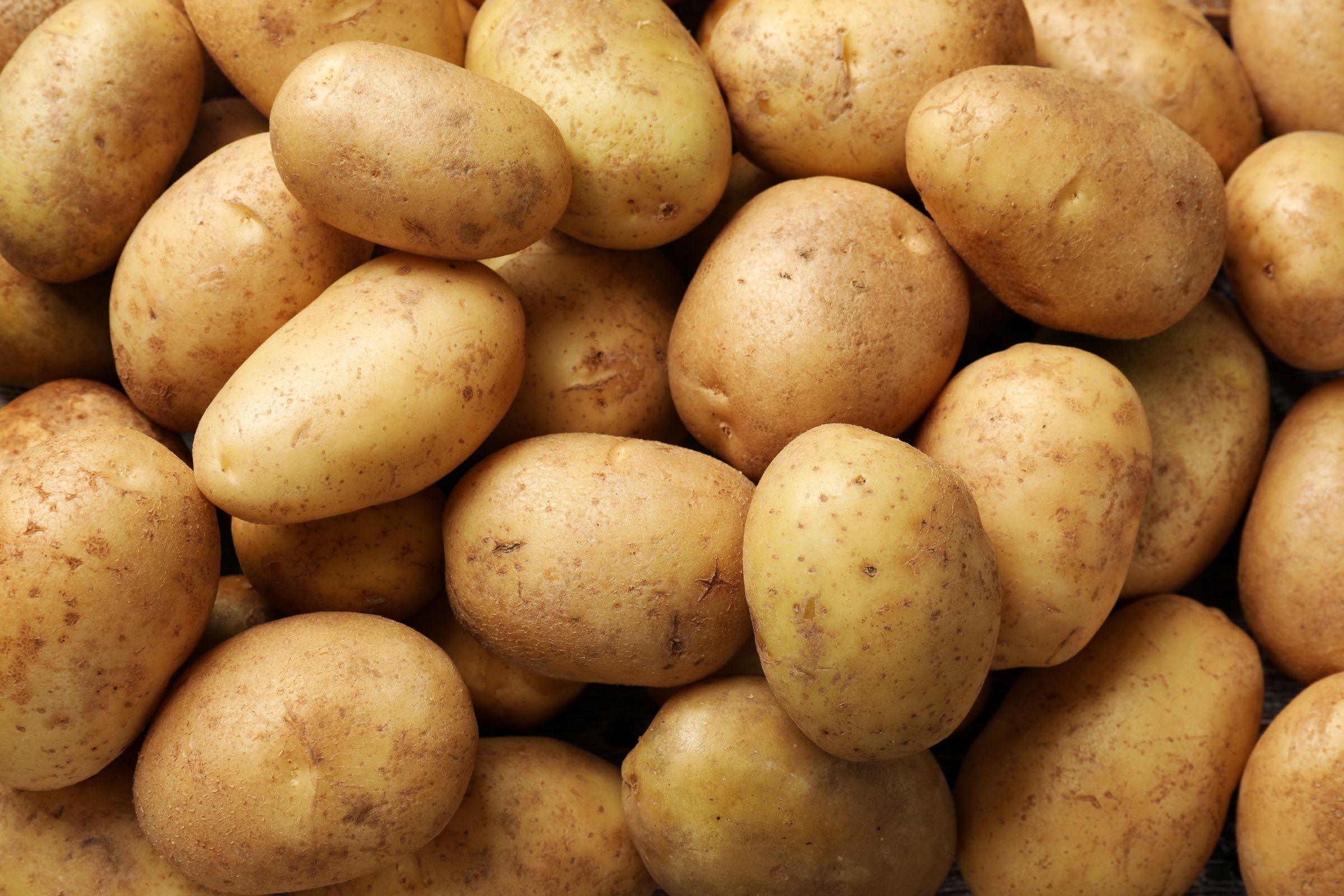
Instead, they pulled from the soil a strange, lumpy tuber unlike anything they had seen before: the potato.
At first glance, it hardly seemed remarkable. Yet this humble crop would ultimately prove more valuable to Europe than all the precious metals shipped across the Atlantic. Gold enriched kings and merchants. The potato transformed an entire continent.
As the Spanish explored what is now Peru and Chile, they encountered Indigenous Andean peoples who had cultivated potatoes for thousands of years. This was no minor crop. It was a staple food that helped sustain the mighty Inca Empire, allowing populations to thrive in some of the world’s most challenging environments.
Recognizing its usefulness, the Spanish carried potatoes back to Europe alongside other botanical wonders from the New World such as tomatoes and maize. Few could have imagined that this unfamiliar tuber would become one of the most important forces in European history.
A Lifeline During the Little Ice Age
When potatoes arrived in Europe during the late 16th century, they were not immediately embraced. Botanists regarded the plant as a curiosity. They were more interested in its flowers than its nutritional value. The potato appeared in botanical gardens and private collections long before it appeared on dinner tables. Peasants, however, saw something different.
Europe was entering the Little Ice Age, a centuries-long period of colder temperatures and unpredictable harvests. Traditional staples such as wheat and rye frequently failed. Famines were common. One historian estimated that France alone suffered roughly forty nationwide famines between 1500 and 1800.
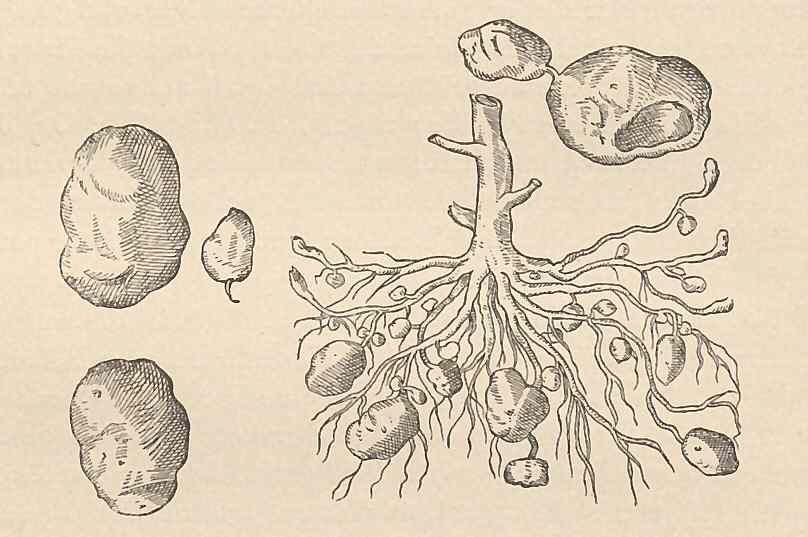
The potato arrived at precisely the right moment. Unlike many grains, it could thrive in poor soils and harsh conditions. More importantly, it produced far more calories per acre than wheat or rye. For peasants living on tiny plots of land, this was revolutionary.
Most families did not own the land they worked. They survived on small private plots where every square meter mattered. Potatoes allowed families to feed more people from less land. For Europe’s large peasant class, having this new crop meant the difference between starvation and survival.
The potato offered another advantage as well. It was difficult to tax.
In feudal Europe, peasants owed portions of their harvests (tithes) to landlords and the Church. Grain fields were easy to inspect and measure. Potatoes, buried beneath the soil, were much harder to assess. As a new crop, they were also often absent from existing tax systems. As a result, peasants were able to retain more of their harvest than ever before.
That’s not to say the potato overthrew feudalism — it didn’t — but it did weaken one of its foundations by giving ordinary people greater food security and a degree of independence. As hunger declined and nutrition improved, Europe’s population began to expand rapidly.
The King Who Knew His Potatoes
While Europe’s elites clearly did not place any early value on the potato, there was one leader who recognized its power before all others. Frederick the Great of Prussia.
In 1756, the Seven Years’ War plunged Europe into conflict. Armies consumed enormous quantities of food while blockades threatened grain supplies. Hunger could cripple a nation as effectively as enemy soldiers.
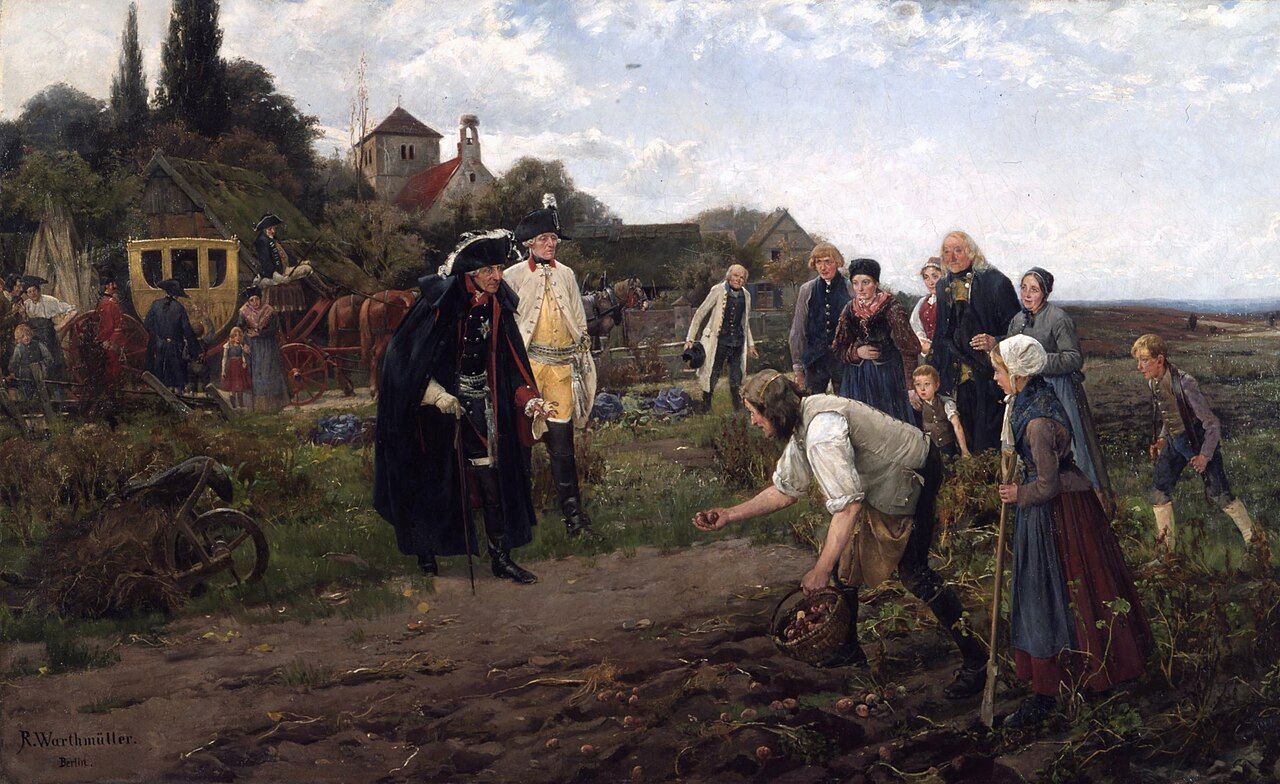
It was at this moment that Frederick turned to potatoes. That year he issued the first of what would become fifteen separate potato decrees during his reign. Known collectively as the Kartoffelbefehle, or potato decrees, these orders encouraged widespread cultivation of the potato throughout Prussia.
The reasoning was simple. Potatoes were productive, nutritious, and difficult for invading armies to destroy. Unlike grain fields, which could be burned or looted, potatoes remained hidden underground until harvest. The potato became a weapon against famine.
Elsewhere in Europe, however, acceptance came more slowly. France had banned potatoes in 1748, claiming they spread diseases such as leprosy and damaged the soil. The crop’s reputation was so poor that many French citizens refused to eat it. One man would change that.
During the Seven Years’ War, French pharmacist Antoine-Augustin Parmentier was captured several times by Prussian forces. While imprisoned, he survived largely on potatoes. Far from becoming ill, he remained surprisingly healthy.
After the war, Parmentier dedicated himself to promoting the crop. Through scientific research, public campaigns, and political lobbying, he helped persuade the French government to lift the potato ban in 1772.
His efforts gradually changed French public opinion. By the end of the 18th century, potatoes had entered mainstream French cuisine and were spreading rapidly across Europe. The continent had finally embraced the crop that would reshape its future.
Fuel for Industry and Empire
By the late 18th century, potatoes had become one of Europe’s most important foods. In parts of Europe, especially among poorer rural populations, potatoes had become a central source of calories.
Rich in calories, vitamins, and nutrients, they helped reduce mortality rates while supporting ever larger populations. Their impact was now extending far beyond the farm. The potato became one of the fuels of the Industrial Revolution.
Factories required vast numbers of workers, and workers required cheap calories. Potatoes could provide those calories more efficiently than many traditional crops. Throughout Britain, France, and the German states, industrial laborers increasingly relied on potatoes to sustain themselves through long days working in mines, mills, and factories. The crop was helping power Europe’s transformation into the world’s first industrial society.
At the same time, it also became an instrument of empire. Colonial administrators promoted potato cultivation throughout their territories. The crop was viewed as productive, reliable, and emblematic of modern agriculture. A plant first domesticated in the Andes was now being exported across the globe as part of Europe’s imperial project.
Yet the potato also created tensions. As historian Rebecca Earle argues, the crop gave many rural people a degree of independence. Families could survive on relatively small plots of land, reducing their dependence on wage labor. To many elites, this was unsettling. Industrial economies required workers, but potatoes allowed some people to remain self-sufficient.
The very crop that strengthened Europe was also challenging established social hierarchies. This especially disturbed the British.
When Europe’s Greatest Crop Became Its Greatest Vulnerability
By 1845, Europe’s dependence on potatoes had become profound. Then disaster struck.
That year, a devastating plant disease caused by the water mold Phytophthora infestans appeared in Europe. The pathogen, likely originating in Mexico, spread rapidly across the continent, turning healthy potatoes into a rotting pulp. The potato blight reached nearly every corner of Europe. However, nowhere suffered more than Ireland.
For generations, many Irish families had relied heavily on potatoes because the crop allowed them to survive on small plots of land. Before the famine, it was not uncommon for Irish adults to consume several pounds of potatoes per day. When the blight arrived, that food supply collapsed.
The first year destroyed roughly a third of Ireland’s crop. Subsequent outbreaks were even worse. Over the course of the famine, approximately one million people died and another two million emigrated, many of them to the United States. The tragedy revealed the danger of depending too heavily on a single crop.
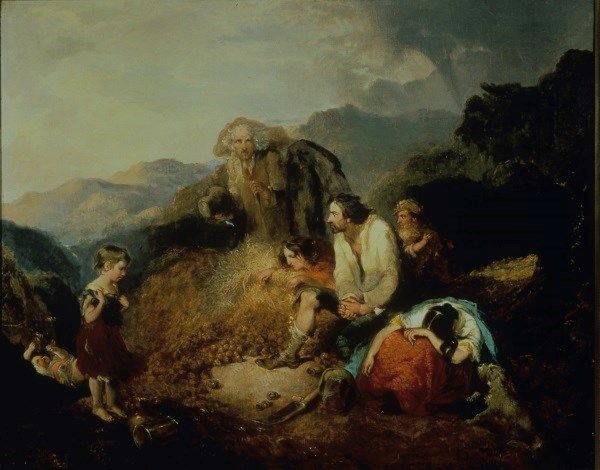
Yet the disaster was not simply agricultural. Ireland at the time was part of the United Kingdom, and British relief efforts were widely criticized as inadequate. While families starved, merchants continued to ship crops to England. Some policymakers even viewed the crisis as an opportunity to transform Irish society and push people into wage labor.
The Great Famine became one of the defining events in Irish history and permanently altered the demographic, political, and cultural landscape of the island. It also demonstrated the extraordinary importance the potato had acquired. When the crop failed, entire societies were shaken.
The Taste of War
The potato’s importance did not end with the 19th century. During both World Wars, it once again became central to European survival.
Food shortages plagued civilians across the continent. Naval blockades disrupted imports. Agricultural production fell. Governments desperately searched for crops capable of feeding their populations under wartime conditions. The potato was the obvious choice.
In Germany during the First World War, potatoes became a critical source of calories as Allied blockades restricted food imports. When poor weather devastated the 1916 potato harvest, millions of Germans faced severe shortages. Desperate civilians turned to turnips, a crop usually reserved for livestock. That winter became known as the “Turnip Winter.” The experience left a lasting impression.
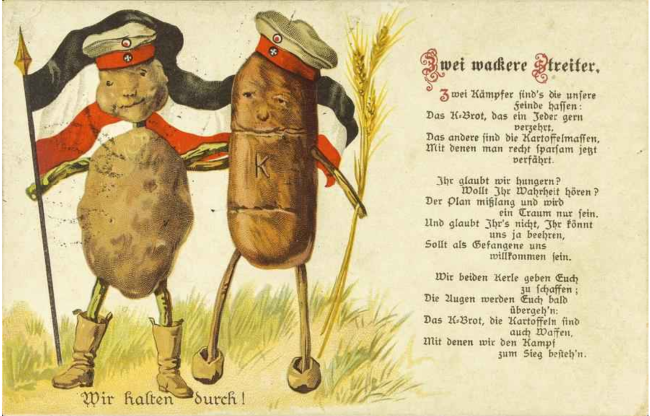
When the Nazi regime came to power in 1933, food self-sufficiency became a central objective. Potatoes occupied a prominent place in that vision. The regime urged Germans to grow and eat potatoes and promoted breeding programs to develop varieties suited to local conditions. The potato became a symbol of national resilience.
Elsewhere, Britain and the Soviet Union also relied heavily on potatoes during wartime shortages. Historian Lizzie Collingham has argued that potatoes were, in many ways, the defining food of the Second World War.
Once again, Europe’s most important crop was helping nations endure catastrophe.
The Crop That Made Europe
Few crops have shaped a continent as profoundly as the potato shaped Europe.
It reduced famine during the Little Ice Age. It supported unprecedented population growth. It fed factory workers during the Industrial Revolution and accompanied European empires around the world. It stood at the center of one of history’s most devastating famines and became an essential wartime food during the 20th century.
From peasant gardens to industrial cities, from colonial settlements to battlefronts, the potato influenced nearly every major chapter of modern European history. The potato did not merely feed Europe. It helped create modern Europe.
Today, the continent remains one of the world’s largest potato-producing regions. As concerns about food security, climate change, and agricultural resilience continue to grow, the crop’s story is far from over. More than four centuries after arriving from the Andes, the potato remains one of Europe’s most consequential inheritances from the Americas — and perhaps the most historically significant crop the continent has ever known.
• John Paap is the Sustainability and Brand Marketing Manager at Jac. Vandenberg, Inc. and co-host of the “History of Fresh Produce” series on The Produce Industry Podcast.